Category: What’s Today’s Special Day Series

- 🇯🇵 December 14th, The Details of the Day: Chushingura and the Spirit of “Gi” (Righteousness)
- 🌟 Decoding Japanese Culture: The Spirit of Japan in “Chushingura”
- ❓ A Question for Our Readers: The Place of “Gi” and “Chu” in the Modern World
- 🔗 Related Information and External Links
- 🇯🇵 12月14日、その日の詳細:忠臣蔵と「義」の精神
- 🌟 読み解く日本文化:「忠臣蔵」に息づく日本人の精神性
- ❓ 読者への問いかけ:現代社会における「義」と「忠」の在り方
- 🔗 関連情報と外部リンク
🇯🇵 December 14th, The Details of the Day: Chushingura and the Spirit of “Gi” (Righteousness)
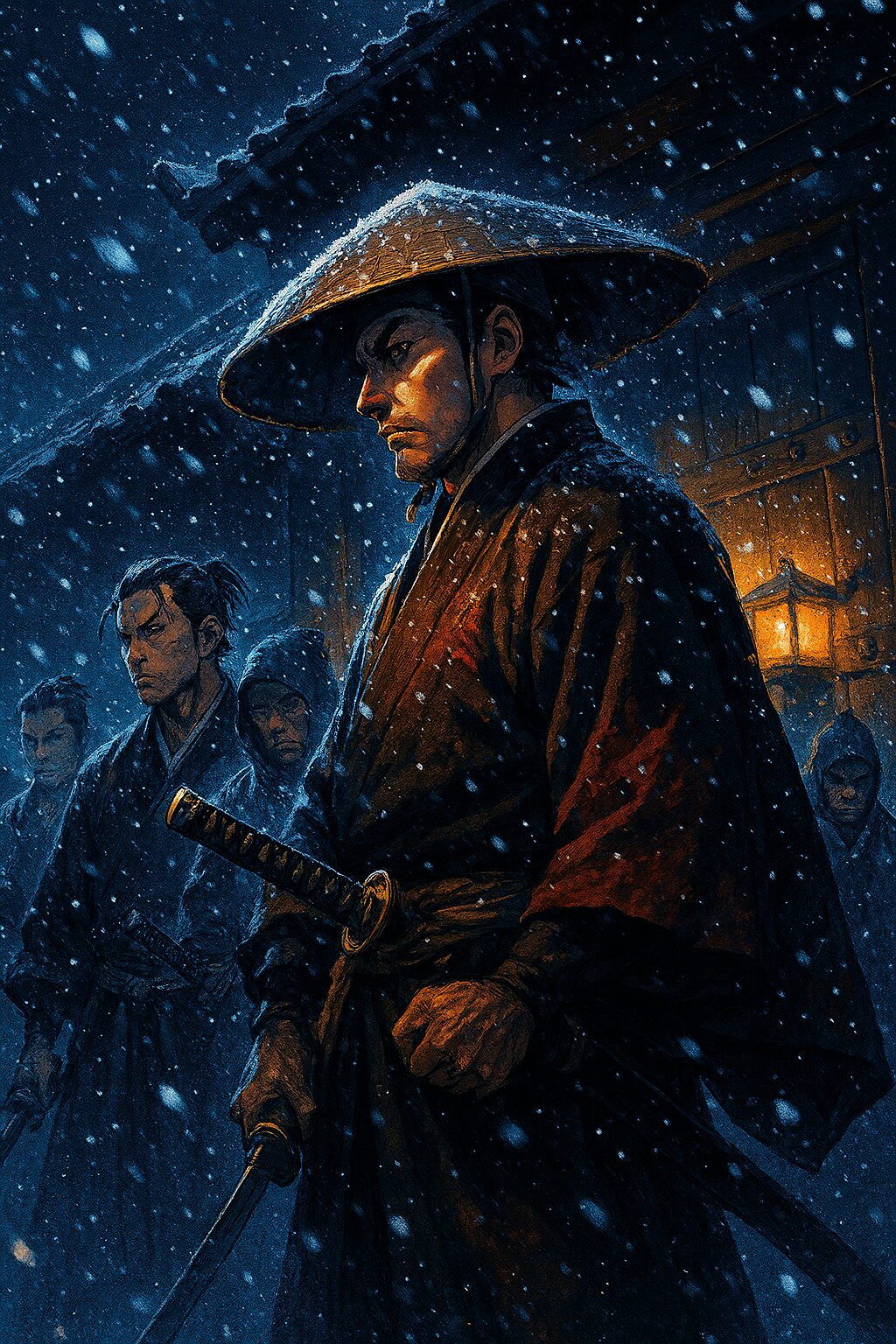
December 14th (the 14th day of the 12th month of Genroku 16 in the old lunar calendar, or January 30, 1703 in the Gregorian calendar) marks the day of the raid on Kira’s mansion by the **Forty-Seven Rōnin (Ako Rōshi)**, one of the most famous incidents in Japanese history known as **”Chushingura.”** The tale of these 47 warriors who upheld the samurai value of **”Gi” (righteousness or justice)** to avenge their lord is a legend deeply rooted in the Japanese psyche, recounted for over 300 years.
History: The Ako Incident and the Vengeance Raid
The story begins with the **”Ninjō Jiken” (Sword Incident)** that occurred in the Edo Castle’s Pine Corridor in Genroku 14 (1701). **Asano Naganori**, the feudal lord of the Ako Domain (present-day Ako City, Hyogo Prefecture), drew his sword and attacked **Kira Yoshinaka**, a high-ranking master of ceremonies (Kōke Kimōiri). As a result, Asano was immediately ordered to commit seppuku (ritual suicide), and the Ako Domain was abolished (kaieki)—a severe and harsh punishment. Meanwhile, Kira, the victim, received no punishment, a decision widely regarded as grossly unfair by the Ako retainers.
To avenge their lord’s unjust death, the former Ako retainers, led by **Oishi Kuranosuke Yoshio**, resolved to carry out a vendetta. Though they became rōnin (masterless samurai) after the domain’s dissolution and faced hardship, they spent nearly two years in waiting, deceiving the public and lowering Kira’s guard. Finally, on the snowy night of the 14th day of the 12th month of Genroku 15, they stormed Kira’s residence in Honjo, Edo (present-day Ryogoku, Sumida Ward, Tokyo), successfully taking Kira Yoshinaka’s head and avenging their lord. This series of events is the “Ako Incident,” and the subsequent fictionalized narrative is known as “Chushingura.”
Culture: From Kabuki and Bunraku to a National Epic
The incident caused a huge sensation among the public even at the time. Despite the raid being an act against the shogunate’s law, the rōnin’s commitment to the samurai code of “loyalty to their lord” resonated with countless people.
Just a few decades after the incident, it began to be staged as a performance in Bunraku (puppet theater) and Kabuki. The most famous and still-performed adaptation is the Bunraku play **”Kanadehon Chushingura”** written by **Takeda Izumo** and others. This work, based on historical facts but incorporating fictional elements, dramatically portrayed the rōnin’s suffering leading up to the raid, their farewells to family, and their ultimate way of life as samurai, achieving immense popularity among the common people.
To this day, Chushingura continues to be re-imagined in various media, including films, TV dramas, novels, and manga, making it one of the most familiar and beloved historical narratives for the Japanese people.
🌟 Decoding Japanese Culture: The Spirit of Japan in “Chushingura”
The reason Chushingura remains so significant in Japan after more than 300 years is that the story embodies the core spirituality of Japanese culture, particularly **”Bushido”** (the way of the warrior) and **”Aesthetic Sense”** (aesthetics).
1. The Core of Bushido: “Gi” (Righteousness) and “Chu” (Loyalty)
At the heart of Chushingura are the concepts of **”Gi”** and **”Chu.”**
- Gi (Justice/Morality): The ethical standard for what is right and what a person, or a samurai, ought to do. For the Ako Rōshi, “Gi” meant avenging their lord who was forced to commit seppuku unfairly.
- Chu (Loyalty/Devotion): Unwavering dedication to one’s lord, organization, or personal conviction. The rōnin never abandoned their loyalty to their lord, even after becoming masterless and facing poverty.
By carrying out the raid, they violated the shogunate’s law (public justice) and ultimately accepted the penalty of seppuku. However, this was an **aesthetics of sacrifice**—a way to fulfill “Gi” as a form of “private justice” and prove the spirit of “Chu” with their lives. This stance of prioritizing personal conviction, or “great justice,” over public law, and embracing self-sacrifice, is the source of profound emotion for many Japanese people.
2. The “Forty-Seven” Symbolizing the Aesthetics of the Group
The 47 rōnin who participated in the raid (Shijūshichishi) were individuals who united for a single purpose. This aesthetic of **”group solidarity”** and **”Ichiren-takushō”** (sharing the same destiny) is deeply intertwined with the Japanese societal emphasis on harmony (Wa).
The collective action, carried out under the leadership of Oishi Kuranosuke with each individual’s life on the line, resonates with the spirit of “teamwork” and “collective responsibility” seen in modern Japanese companies and organizations, representing one of the idealized group images for the Japanese.
3. The Aesthetics of a “Clean End”
After the raid, the rōnin did not flee but surrendered, choosing seppuku, an honorable end for a samurai. The aesthetic of a **”Kiyoi Chirigiwa” (clean and dignified end)** is also a crucial element of Chushingura.
Japanese aesthetics often include an admiration for ending one’s life at the peak of glory, like the scattering of fully bloomed cherry blossoms. Their completion of “Gi” with their own lives transcended a simple revenge plot; it embodied the ultimate Japanese aesthetic of **perfectly proving one’s existence and beautifully closing the curtain on life.**
❓ A Question for Our Readers: The Place of “Gi” and “Chu” in the Modern World
How does this epic tale of Chushingura resonate with you, our international reader?
In today’s global society, “loyalty to a lord” might be translated into commitment to a company or organization, or the bond of trust with friends and family. Furthermore, “Gi” could be seen as personal morality against societal injustice or the courage to stand by one’s convictions.
If you were faced with the ultimate choice, like the Ako Rōshi, would you choose “public rules” or “personal righteousness”? What is the object of “loyalty” that you would fight to protect?
Through this story, we invite you to reflect deeply on your own values and the spirit that the Japanese people have cherished throughout their history.
🔗 Related Information and External Links
Internal Link
- Category: What’s Today’s Special Day Series
External Links
- Sengakuji Temple: The temple where the Forty-Seven Rōnin were buried after their seppuku, and where their lord, Asano Naganori, also rests. Many people visit on the anniversary of the raid.
https://www.sengakuji.or.jp/
🎌 12月14日:歴史と文化が息づく「忠臣蔵の日」:武士道の真髄と日本人の精神性を解き明かす
カテゴリー: What’s Today’s Special Day Series
🇯🇵 12月14日、その日の詳細:忠臣蔵と「義」の精神
12月14日(旧暦の元禄16年12月14日、西暦1703年1月30日)は、日本史上最も有名な事件の一つである「忠臣蔵(ちゅうしんぐら)」における、赤穂浪士による吉良邸への討ち入りが実行された日です。この日、主君の仇を討つという武士の「義(ぎ)」を貫いた47人の浪士たちの物語は、300年以上が経過した現代においても、日本人の心に深く根ざした伝説として語り継がれています。
歴史:赤穂事件の発生と討ち入り
物語の始まりは、元禄14年(1701年)、江戸城松の廊下で起こった「刃傷事件(にんじょうじけん)」に遡ります。播磨国赤穂藩(現在の兵庫県赤穂市)の藩主であった浅野内匠頭長矩(あさのたくみのかみながのり)が、高家肝煎(こうけきもいり)の吉良上野介義央(きらこうずけのすけよしなか)に対し、斬りかかった事件です。この事件の結果、浅野は即日切腹、赤穂藩は取り潰し(改易)という厳しい処分が下されました。一方、被害者である吉良は一切のお咎めなしという、極端に不公平な裁定に、赤穂藩士たちは納得がいきませんでした。
主君の無念を晴らすため、家臣であった大石内蔵助良雄(おおいしくらのすけよしお)を筆頭とする元赤穂藩士たちは、討ち入りを決意します。彼らは藩の取り潰しにより浪人(主君を持たない武士)となりながらも、世間の目を欺き、吉良の警戒を解くために2年近くの雌伏の時を過ごしました。そして、ついに元禄15年12月14日の深夜、雪の降る中、江戸本所(現在の東京都墨田区両国)にあった吉良邸に押し入り、見事、吉良上野介の首級を挙げ、主君の仇を討ち遂げました。この一連の出来事こそが「赤穂事件」であり、後世に創作化された物語が「忠臣蔵」と呼ばれるものです。
文化:歌舞伎・人形浄瑠璃から国民的物語へ
この事件は、当時から人々の間で大きな話題となりました。討ち入りという、幕府の法に背く行為でありながら、「主君への忠義」という武士の規範を貫いた彼らの行動は、多くの人々の共感を呼びました。
事件からわずか数十年後には、人形浄瑠璃や歌舞伎の演目として上演されるようになります。最も有名で、現在も演じられ続けているのが、竹田出雲(たけだいずも)らによって書かれた人形浄瑠璃『仮名手本忠臣蔵(かなでほんちゅうしんぐら)』です。この作品は、史実をベースとしつつも、フィクションの要素を加え、討ち入りに至るまでの浪士たちの苦悩、家族との別れ、そして武士としての生き様を感動的に描き出し、庶民の間で爆発的な人気を博しました。
現代に至るまで、忠臣蔵は映画、テレビドラマ、小説、漫画など、様々なメディアで繰り返し描かれ、日本人にとって最も親しみ深い歴史物語の一つとなっています。
🌟 読み解く日本文化:「忠臣蔵」に息づく日本人の精神性
忠臣蔵が300年以上経った今もなお、日本で特別な意味を持ち続けるのは、この物語が日本文化の根幹をなす精神性、特に「武士道」と「美意識」を体現しているからです。
1. 武士道の核心:「義」と「忠」
忠臣蔵の核にあるのは、**「義(ぎ)」**と**「忠(ちゅう)」**の概念です。
- 義(Justice/Morality): 人として、武士として、何が正しいか、何を行うべきかという規範。赤穂浪士にとっての「義」は、不当に切腹させられた主君の無念を晴らすことでした。
- 忠(Loyalty/Devotion): 主君や組織、そして自らの信念に対する揺るぎない献身。浪士たちは、浪人となり生活が困窮しても、主君への忠誠を捨てませんでした。
彼らは、討ち入りを決行することで、幕府の法(公的な正義)を破り、最終的には切腹という処罰を受け入れました。しかし、それは「私的な正義」としての「義」を全うし、「忠」の精神を命をもって証明するという、命を懸けた美学でした。この「公(おおやけ)」よりも「私(わたくし)」の信念、あるいは「大義」のために自己犠牲を厭わない姿勢こそが、多くの日本人にとっての感動の源なのです。
2. 「四十七士」が象徴する集団の美学
討ち入りに参加した47人の浪士(四十七士)は、それぞれが個別の人間でありながら、一つの目的に向かって団結しました。この「集団の結束力」と「一蓮托生(いちれんたくしょう)」の美学も、和を重んじる日本社会の精神性と深く結びついています。
大石内蔵助のリーダーシップのもと、個々の命を懸けた集団行動は、現代の日本企業や組織における「チームワーク」や「連帯責任」の精神にも通じるものがあり、日本人にとって理想的な集団像の一つとして映ります。
3. 潔い「散り際」の美学
討ち入りの後、浪士たちは逃げることなく自首し、切腹という武士にとって名誉ある最期を選びました。この「潔い散り際(ちりぎわ)」の美学も、忠臣蔵が持つ重要な要素です。
日本の美意識には、満開の桜が散るように、最も華やかな時に一瞬で命を終えることへの憧れがあります。彼らが自らの命をもって「義」を完結させたことは、単なる復讐劇を超え、自己の存在価値を完璧に証明し、美しく人生の幕を引くという、日本人が好む究極の美意識を体現していると言えるでしょう。
❓ 読者への問いかけ:現代社会における「義」と「忠」の在り方
この壮大な忠臣蔵の物語は、海外の読者であるあなたにとって、どのように映ったでしょうか?
現代のグローバル社会において、「主君への忠誠」は、会社や組織へのコミットメント、あるいは友人や家族との信頼関係に置き換えられるかもしれません。また、「義」とは、社会の不正義に対する個人的なモラルや、信念を貫く勇気と呼べるでしょう。
もし、あなたが赤穂浪士のような究極の選択を迫られたとしたら、あなたは「公のルール」と「個人の義」のどちらを選びますか? あなたにとって、守り抜きたい「忠誠」の対象は何ですか?
ぜひ、この物語を通じて、ご自身の価値観と、日本人が歴史の中で大切にしてきた精神性について、深く考えてみてください。
🔗 関連情報と外部リンク
内部リンク
外部リンク
- 泉岳寺(せんがくじ):赤穂浪士が切腹後に葬られ、主君・浅野内匠頭も眠る寺院です。討ち入りの日に多くの人々が訪れます。
https://www.sengakuji.or.jp/

コメント